What Really Happens When You Drink Cold Water After a Meal

For years, people have debated whether drinking cold water immediately after eating is harmful to digestion. Social media videos often describe dramatic internal reactions, claiming cold water “shocks” the stomach, hardens fats, slows digestion, and even prevents nutrient absorption. While some parts of these claims are loosely connected to real digestive responses, many are exaggerated or misunderstood.
Scientifically, drinking cold water after a meal is generally safe for most healthy people. The human body is highly effective at regulating internal temperature, and the digestive system is designed to adapt quickly to changes in food and drink temperature. However, cold water can still produce subtle effects in some individuals, particularly depending on meal size, sensitivity, or digestive health.
After eating, the stomach begins digesting food using hydrochloric acid and digestive enzymes. Muscular contractions known as peristalsis help mix and move food through the digestive tract. When cold water enters the stomach, it may temporarily lower the temperature inside the stomach slightly, but this effect is brief. The body rapidly warms the liquid to near body temperature within minutes.
Some people do experience a feeling of heaviness, bloating, or mild discomfort after drinking very cold water during or after meals. One reason may be that cold temperatures can cause temporary tightening or slight contraction of stomach muscles. This does not “damage” digestion, but it may make digestion feel slower or less comfortable for sensitive individuals.
The popular claim that cold water “solidifies fats” inside the stomach is largely a myth. Digestion does not depend on food remaining liquid from external heat. The body digests fats through bile acids and enzymes produced by the pancreas and liver, not simply by temperature. Even if dietary fats become firmer briefly in cold conditions outside the body, the stomach’s internal environment quickly returns consumed liquids and foods to body temperature.
Another claim often made is that cold water reduces blood flow to the stomach by constricting blood vessels. While cold exposure can influence blood vessels on the skin or outer body, there is limited scientific evidence showing that drinking cold water meaningfully disrupts digestive blood flow in healthy people. The digestive system remains highly prioritised after meals regardless of beverage temperature.
What science does support is that water itself aids digestion. Drinking water helps soften food, supports nutrient transport, and assists bowel movement regularity. Both warm and cold water contribute to hydration and digestive function. In fact, some studies suggest cold water may even help cool the body after exercise or increase comfort in hot weather.
That said, individual tolerance varies. People with certain digestive conditions such as acid reflux, irritable bowel syndrome, or esophageal sensitivity may notice symptoms triggered or worsened by very cold drinks. For these individuals, room temperature or warm liquids may feel more comfortable after meals.
Cultural traditions have also influenced beliefs about water temperature. In many Asian and traditional wellness practices, warm water or tea is preferred after meals because it is believed to support smoother digestion and circulation. While these traditions are not entirely unsupported, modern medical research does not show strong evidence that cold water significantly harms digestion in healthy individuals.
Interestingly, temperature can influence eating behaviour in subtle ways. Cold drinks may create a refreshing sensation and encourage faster drinking, while warm drinks can feel more soothing and relaxing after meals. Psychological comfort and habit often shape digestion experiences just as much as physiological effects.
Ultimately, the viral warnings surrounding cold water are exaggerated beyond what science currently supports. Cold water does not “shock” the digestive system or stop the stomach from functioning. The body is highly adaptable and quickly stabilises temperature internally. However, some people may personally experience bloating or temporary discomfort due to how cold liquids interact with stomach muscles and digestive sensitivity.
The most important factor is not whether water is cold or warm, but staying hydrated and paying attention to how your own body responds. Digestion is influenced far more by overall diet quality, portion size, eating speed, stress, sleep, and physical activity than by the temperature of a single drink.
Verified Medical Resources
- National Institute of Diabetes and Digestive and Kidney Diseases on digestive diseases
- Harvard Nutrition Source on healthy hydration
- Medical News Today discussing cold water and digestion myths
- Healthline article reviewing scientific evidence about drinking cold water
Related Articles

Stew vs Sauce and Why People Keep Confusing Them
Few food debates spark as much confusion in kitchens as the difference between stew and sauce. In many cultures, the two words are often used interchangeably, while in others they refer to completely different dishes. Some people insist that stew is thicker and heavier, while others argue that sauce is simply stew without meat. The truth is that both are closely related, but they differ in purpose, preparation, texture, and cooking technique.
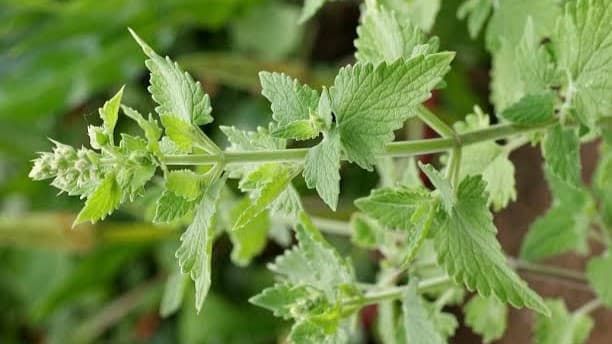
Say Goodbye to Expensive Mosquito Sprays — Try Catnip Instead
Catnip can repel mosquitoes up to 10x better than chemical sprays. Discover how this simple, pleasant-smelling plant protects your home naturally and affordably.

LEBOKU THE YAM FESTIVAL OF UGEP
The Ugep Leboku is particularly famous for showcasing the rich cultural heritage of the Yakurr people. The three-week-long festival bursts with energy, featuring activities such as wrestling matches, football competitions, traditional dances, masquerade parades, and the iconic Mr & Miss Leboku pageant. Tourists, traditionalists, and non-indigenes travel from near and far to participate.

The Next African Tech Export Won't Come From Fintech, It'll Come From the Kitchen
The African tech ecosystem has a bias toward "serious" verticals. Food and culture are seen as lifestyle, not infrastructure. This is a mistake. South Korea understood that cultural exports such as K-drama, K-pop, and Korean food were economic multipliers. They invested accordingly. Today, Korean cuisine is a $12 billion export industry, and bibimbap is in every Whole Foods on earth.
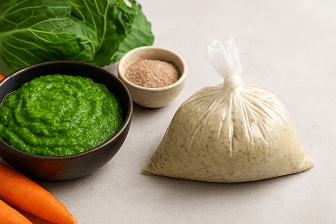
Make Swallow from Any Vegetable by Adding One Secret Ingredient
So, next time your garri finishes, don’t panic, just grab some veggies and make magic!
Snakebite Myths: What People Believe vs What Science Confirms
Myth 1: Bitter Leaf Neutralizes Snake Venom, Myth 2: The Black Stone “Sucks Out” Venom, Myth 3: Cutting the Bite or Sucking Out the Venom Works, Myth 4: Tourniquets Can Stop Venom Spread, Myth 5: If Symptoms Are Delayed, the Bite Is Not Dangerous

Can Tamarind Really Help Remove Microplastics From the Body?
Recent laboratory studies have shown that tamarind extracts may be capable of binding to microplastic particles under controlled conditions.
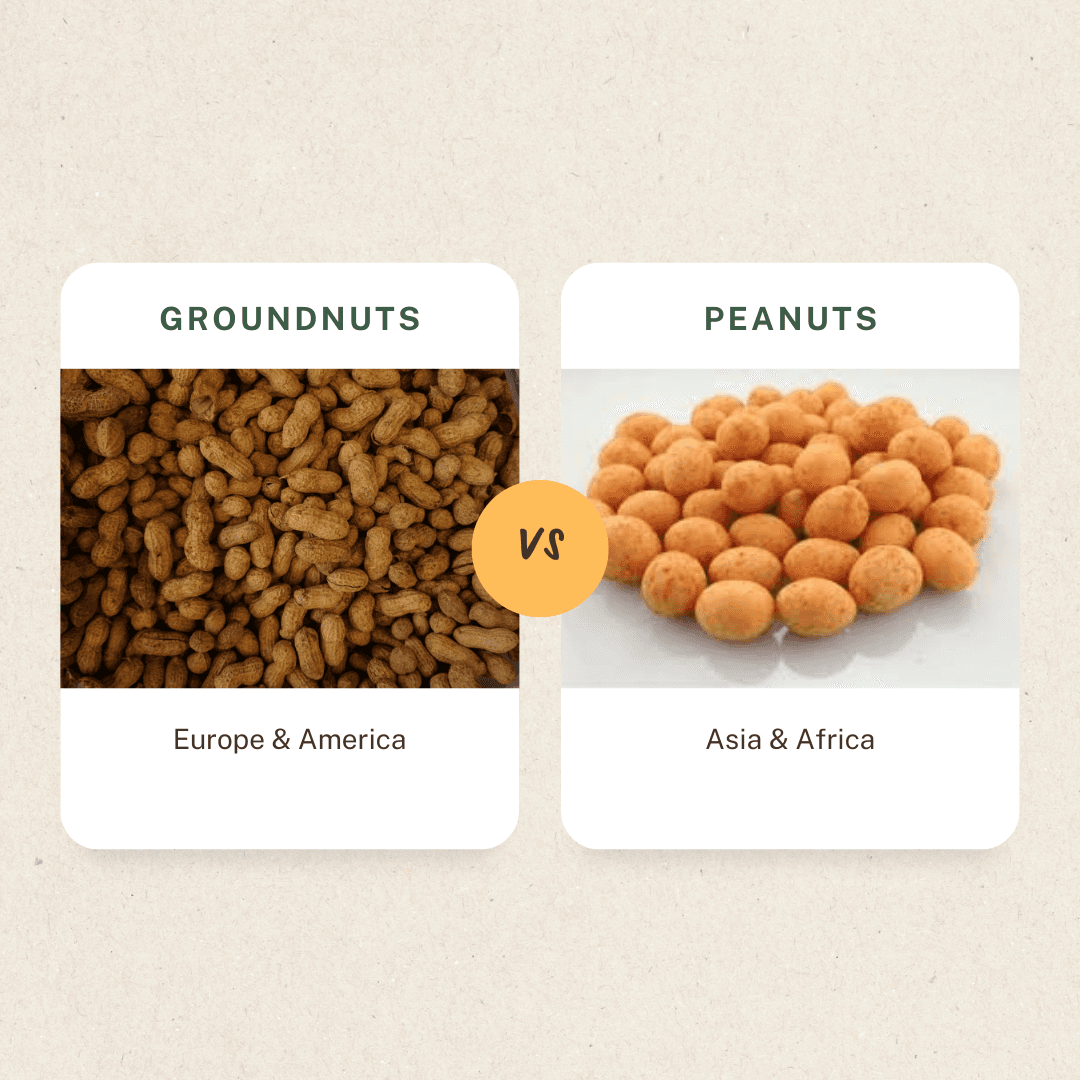
Groundnut or Peanut? A Snack and Legume Name Mixup
Globally, peanuts and groundnuts are actually the same plant. In Nigeria they are called groundnuts but in Europe they are called peanuts
← Swipe to see more →