To Learn is To Cook, Where You Master The Basics Before The Recipes

Learning is Like Cooking: Master the Basics Before the Recipes
When people start learning something new, they often feel overwhelmed by the amount of information they think they need to remember. Just like a learner, a beginner in the kitchen might panic at the sight of a 20-step recipe and might feel paralyzed by the idea of mastering everything at once or make it perfect right from the beginning.
But here’s the truth: you don’t need to memorize every recipe. What you really need is to understand the basics.
In cooking, that means knowing how to chop, how to season, and how not to burn the house down. In life, whatever you plan to learn, also follow the same principle: focus on the fundamentals first, and the rest becomes much easier.
The Power of Fundamentals
Think of professional chefs. They don’t succeed because they’ve memorized thousands of recipes. They succeed because they’ve mastered the fundamentals so well that recipes become guidelines, not rules.
A chef knows:
- Knife skills – how to cut, dice, and slice with confidence.
- Seasoning – how flavors balance and what works together.
- Timing & heat – when to stir, when to let things rest, and when to turn down the fire.
Once these foundations are solid, they can improvise. They can open the fridge, find random ingredients, and still make something delicious.
Now compare this with with yourself and understand that the first step is to building the fundamentals. If you focus on the fundamentals like seasoning measurements, cuttingor diceing, and heat regulation. You don’t have to know everything in advance. You can then begin to make edible dishes, because you understand the building blocks.
Why Memorizing Recipes Doesn’t Work
When beginners focus only on recipes, they set themselves up for frustration. Imagine trying to cook a complicated meal word-for-word from a recipe when you don’t even know how to hold a knife. You’d be overwhelmed, slow, and likely make mistakes.
And the reason why you shouldn't first and wholly rely on the recipe is because they almost most likely use the same recipe or concept for most dishes, but it is usually the fundamentals like cutting measurments and ingredients that set them apart/
Real mastery comes when you stop relying on exact instructions and start thinking like a cook (or a problem-solver, a writer, a designer, etc.).
The 6hows of Cooking for Beginners
- How to chop – knife skills and preparation.
- How to season – balancing flavors so your food tastes right.
- How to fry – managing oil, crisping without burning.
- How to measure heat – knowing when the fire is too high, too low, or just right.
- How to time your cooking – patience and awareness so food cooks through properly.
- How to taste and adjust – checking as you go, not just at the end.
Once you’re comfortable with the basics, something magical happens—you stop depending on recipes. Instead, you start creating. This is when you experiment with spices, invent your own dishes, or adjust flavors to your liking.
Conclusion
The next time you feel overwhelmed by the idea of learning something new, remember this: you don’t need to memorize every recipe.
Just learn how to chop, how to season, and how not to burn the house down.
Master the basics, and you’ll always have the confidence to step into any kitchen—whether it’s in cooking, learning, or life—and create something amazing.
Related Articles

9 African Powerhouse Foods to Beat Vitamin A Deficiency
Across the continent, traditional diets are naturally packed with vibrant, nutrient-dense ingredients that have sustained communities for generations.
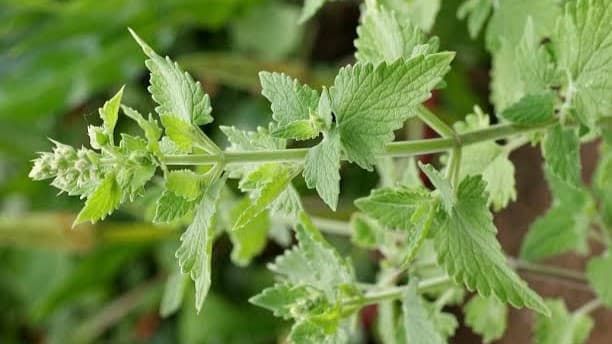
Say Goodbye to Expensive Mosquito Sprays — Try Catnip Instead
Catnip can repel mosquitoes up to 10x better than chemical sprays. Discover how this simple, pleasant-smelling plant protects your home naturally and affordably.

Can Pineapple Really “Eat” Meat? The Science Behind Bromelain, Digestion, and the Viral Claim
Scientifically, pineapple does not literally “eat” meat inside your body. However, it does contain enzymes that can help break down proteins, including those found in red meat.
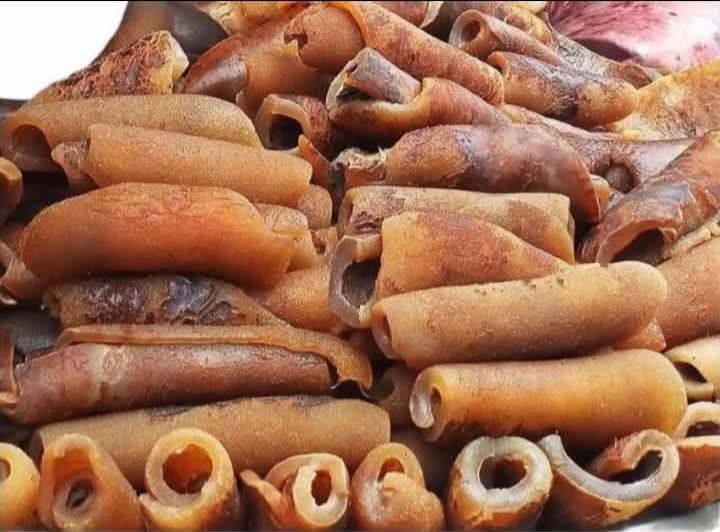
Kpomo or Kanda is not as safe as it looks
Kpomo (Ponmo): what’s really in it, how to spot safe ponmo, and how to get & prepare genuine cowskin

Stew vs Sauce and Why People Keep Confusing Them
Few food debates spark as much confusion in kitchens as the difference between stew and sauce. In many cultures, the two words are often used interchangeably, while in others they refer to completely different dishes. Some people insist that stew is thicker and heavier, while others argue that sauce is simply stew without meat. The truth is that both are closely related, but they differ in purpose, preparation, texture, and cooking technique.
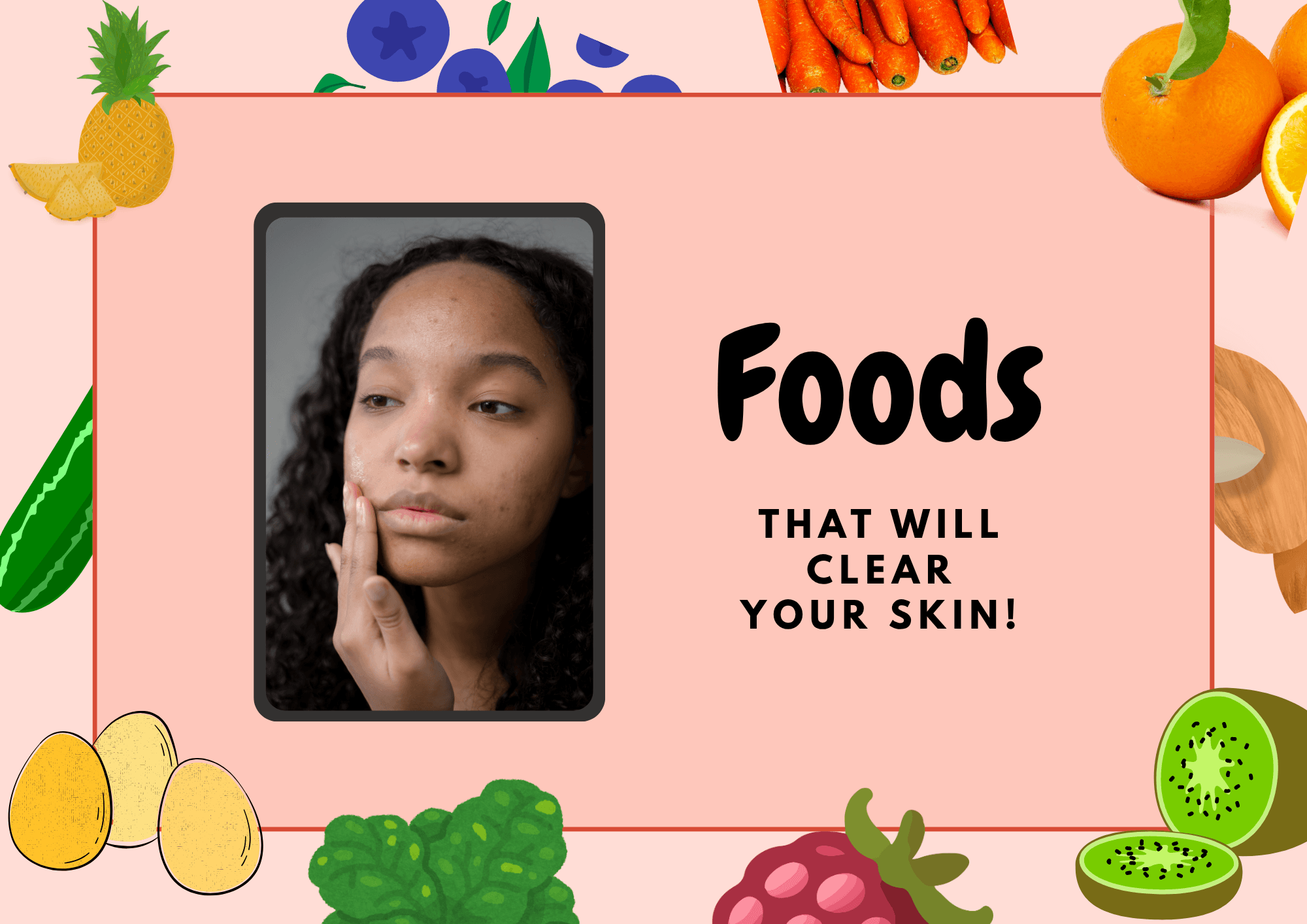
10 Set Of Foods That Promotes Clear Skin
Clear Skin from Within: A Comprehensive List of Foods That Promote Glowing, Acne-Free Skin
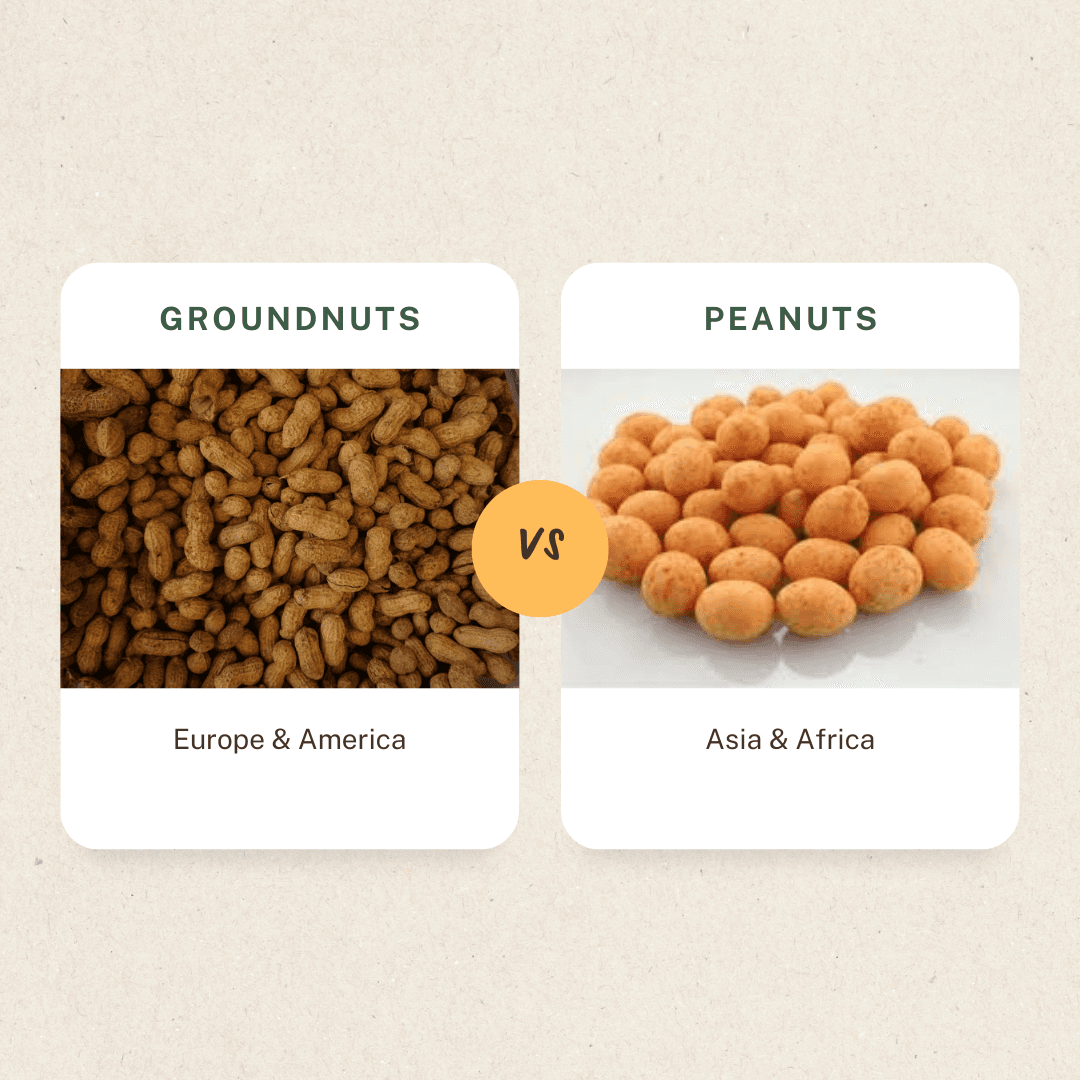
Groundnut or Peanut? A Snack and Legume Name Mixup
Globally, peanuts and groundnuts are actually the same plant. In Nigeria they are called groundnuts but in Europe they are called peanuts
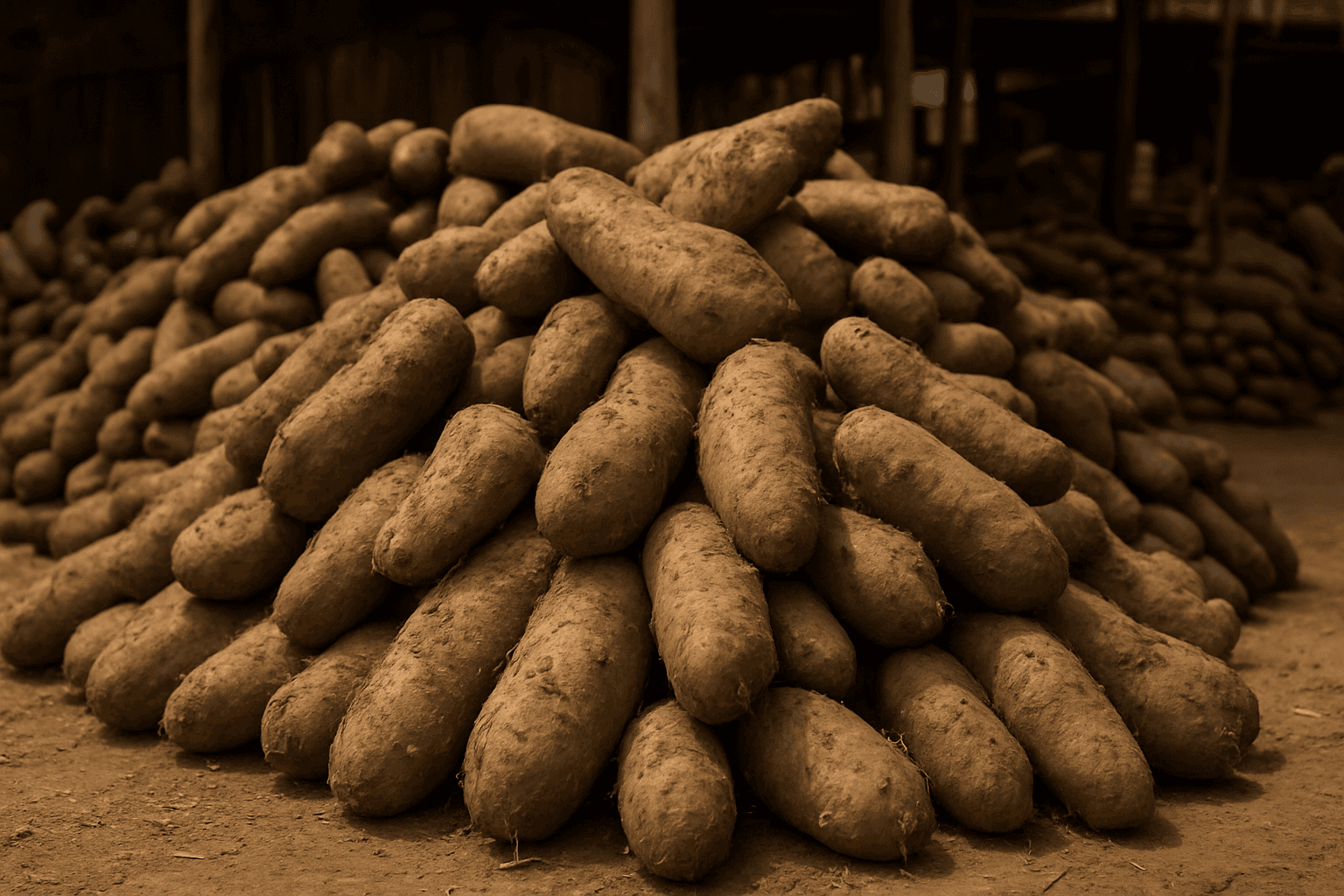
Most Foreigners Don’t Know What Real Yam Is
Did You Know Most People Outside Africa Don’t Know What Real Yam Is?
← Swipe to see more →