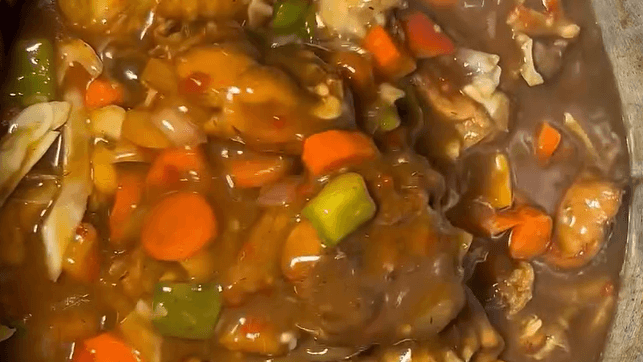
Origin: Nigeria

Shawa/Herring Fish Rice
Shawa Fish Fried Rice is a bold, smoky, deeply flavourful one-pot rice dish that has been quietly winning over converts one plate at a time across Nigerian kitchens and beyond. It is a dish born from the kind of honest, confident home cooking that transforms a frequently overlooked ingredient into the undeniable star of the table and in this case, the ingredient in question is the humble Shawa fish, a small but extraordinarily flavourful fish that has spent far too long being underestimated, undervalued, and unfairly dismissed in kitchens where flashier, more expensive fish tend to get all the attention. This recipe exists as a full and unapologetic rebuttal to every cook who has ever walked past Shawa at the market without a second glance. One plate is all it takes to change a mind permanently.
Shawa is the popular Yoruba and West Nigerian name for herrings, a fish that is very affordable across a wide socioeconomic range of people. The need to deal with its many tiny bones can be discouraging for some cooks, but the fish provides a great source of essential omega 3 fatty acids and vitamin D. Known locally as Shawa, this fish is caught off the southern Nigerian coast and is known for its flaky texture and subtle flavour. It is rich in antioxidants, vitamin D, and protein and is often used to add a smoky flavour to soups, sauces, and one-pot rice dishes. That smoky depth is precisely what makes Shawa such a remarkable ingredient in fried rice, it does not simply sit on top of the dish the way a more neutral fish would, it permeates the entire pot, infusing every grain of rice with a warm, savoury, distinctly oceanic character that no other fish quite replicates.
Shawa, known internationally as herring, is a small but strong-tasting fish that is a top source of omega 3 fatty acids and vitamin D, nutrients associated with a number of important health benefits including a potentially decreased risk of cancer and heart disease. Herring is high in protein and healthy fats, providing significant amounts of omega 3 fatty acids, and is also an excellent source of B vitamins, choline, vitamin D, phosphorus, and selenium. Yet despite this extraordinary nutritional profile, Shawa has historically been treated as a second-class fish in many Nigerian kitchens, a fish for soups and background flavouring rather than a fish worthy of taking centre stage in a celebratory rice dish. This recipe challenges that perception directly and decisively.
The preparation method used in this recipe is what elevates it above ordinary fried rice and gives it the kind of layered, restaurant-quality depth that makes people pause mid-bite and ask what is in it. The Shawa is first deboned, cleaned thoroughly, and seasoned with fish seasoning, paprika, and onion powder before being fried in oil until it is cooked through, golden on the outside, and fragrant with spice. The frying stage does two critical things simultaneously, it creates a lightly crisp, well-seasoned exterior on the fish that holds up beautifully when folded into the rice later, and it infuses the frying oil with the full flavour of the Shawa and its seasonings, transforming that oil into a deeply flavoured cooking medium that will carry the character of the fish throughout every element of the dish from this point forward.
This same flavoured oil is then used to fry the aromatic base of the dish. Onions go in first, followed by iru (locust beans), which adds a deep, fermented, umami richness that is one of the most characteristic flavour notes in Yoruba cooking. Red prawns follow, contributing their own sweet, briny depth and a vibrant coral colour that enriches the visual appeal of the finished dish. Freshly ground crayfish is added and fried for five minutes until its nutty, intensely savoury fragrance fills the kitchen, a scent that anyone who grew up in a Nigerian household will immediately recognise as the smell of something very good being prepared. The blended tatashe, pepper, and tomato mixture goes in next and is cooked down until it combines fully with the spiced oil, creating a thick, rich sauce base that wraps around every grain of rice during cooking.
The rice is added directly into this deeply flavoured base along with salt and meat stock rather than plain water, ensuring that the rice absorbs maximum flavour from the very first moment it begins to cook. The use of meat stock in place of water is one of the most important flavour decisions in the entire recipe, stock carries an already-developed richness of protein, collagen, and seasoning that plain water simply cannot provide, and the difference in the final taste of the rice is dramatic and immediately noticeable. The pot is then sealed with foil paper and cooked on low heat, which traps the steam inside the pot, creating a controlled, even cooking environment that allows every grain of rice to absorb the surrounding flavours fully and cook to a perfect, fluffy, separate-grain result without any burning at the bottom.
When the rice is almost done, the fried Shawa pieces are folded back in along with fresh onions, allowing the fish to warm through and release its smoky, spiced flavour back into the rice for a final infusion of everything that made the fish so compelling in the first place. The finishing additions of egg and chopped green vegetables stirred in at the very end add richness, colour, protein, and a garden freshness that brightens the entire dish and balances the deep, savoury complexity that the Shawa, iru, crayfish, and prawn have built throughout the cooking process. The result is a rice dish that is simultaneously bold and balanced, deeply Nigerian in its flavour philosophy, and genuinely unforgettable in the way it lingers in the memory long after the plate is cleared.
This is the dish that converts Shawa sceptics. Every single time.
Watch the full preparation video using this link Shawa Fish Rice Video or check our social media pages @afripasspot. Video credit: @redgrapescafe on Instagram.

Oat Milk Bar
Oat Milk Bar is a soft, creamy, buttery, and deeply satisfying homemade snack bar that brings together the wholesome goodness of oats, the rich creaminess of powdered milk, the natural sweetness of honey, and the warm fragrance of vanilla into one neat, handheld treat that is as nourishing as it is delicious. It is a snack that manages to feel indulgent and wholesome at the same time, the kind of bar that tastes remarkably like shortbread in its buttery, crumbly richness, yet carries the hearty, filling character of oats in every single bite. It is perfect for busy mornings, school lunchboxes, afternoon tea, post-workout snacking, and any moment in between when the body needs something real, satisfying, and genuinely tasty.
What makes this particular version of the oat bar so special and so relevant for Nigerian and African home cooks is its use of powdered milk as one of the primary ingredients alongside the oats. Powdered milk, a pantry staple found in virtually every household across Nigeria and West Africa, contributes a gentle, creamy dairy richness to the bar that transforms its texture from a plain baked oat slab into something closer to a creamy confection. It softens the bite, adds a subtle milky sweetness that complements the honey beautifully, and gives the finished bar a slightly melt-in-the-mouth quality that ordinary oat bars without dairy simply cannot replicate. Combined with real butter and a touch of vanilla, the result is a bar so creamy and flavourful that anyone who tastes it for the first time struggles to believe it was made at home from everyday ingredients.
Oat bars originate from the United Kingdom, where they are known as flapjacks, baked bars prepared with oats, butter, and sugar or syrup. The term flapjack was first used in the early 1600s in England, with the word flap referring to a flat cake and jack referring to an ordinary, common man. In other words, the term summarises a simplistic flat cake made with humble and accessible ingredients. One of the earliest mentions of the flapjack in print appears in Shakespeare's Pericles, Prince of Tyre from 1607, and the flapjack is widely considered the ancestor of the American granola bar, known in other countries also as a cereal bar, muesli bar, or simply a slice. From its British origins, the oat bar concept spread across the world, evolving in each new context to incorporate local ingredients, local sweeteners, and local flavour preferences, and the Nigerian Oat Milk Bar is a beautiful example of that global evolution, rooted in the same humble principle of oats and fat and sweetness but expressed through distinctly West African pantry sensibilities.
The history of granola and oat bars dates back several centuries, with early versions of these bars serving as convenient and nutritious food sources for outdoor activities and travel. Over time, they evolved to include a variety of ingredients and were eventually formed into bars for convenience, becoming a staple in snack culture across many parts of the world. Today, oat bars are one of the most widely produced and consumed snack formats on earth, sold in supermarkets, cafes, gyms, and health food shops in almost every country. Yet the store-bought versions, while convenient, are almost always more expensive than they should be, frequently loaded with preservatives and artificial flavourings, and rarely as creamy, as fresh, or as satisfying as a batch made at home from scratch. This homemade Oat Milk Bar addresses all of those shortcomings at once.
The preparation process is beautifully straightforward and requires no advanced baking skills, no special equipment beyond a basic pan and an oven, and no ingredients that are not already sitting in most Nigerian kitchen cupboards. The oats and powdered milk are combined dry in a bowl first, forming the sturdy base of the bar. Butter and honey are melted together gently on low heat, never rushed, never allowed to boil aggressively, until they come together into a warm, fragrant, golden mixture that smells extraordinary the moment it hits the heat. Vanilla extract is stirred in while the mixture is still warm, adding its characteristic sweet, floral depth to the already beautiful aroma of melted butter and honey. This warm liquid mixture is poured immediately into the dry oat and milk mixture and stirred together vigorously until every oat is coated and the entire mixture holds together when pressed.
The pressing stage is critical. The mixture is transferred into a parchment-lined pan and pressed down firmly and evenly into a thick, compact slab. The firmness with which the mixture is pressed determines the density and cohesion of the final bars, a loosely pressed mixture will crumble and fall apart when cut, while a tightly, evenly pressed mixture will hold together cleanly, cut into neat bars, and maintain its shape beautifully both before and after baking. Once pressed and firmed up, the slab is cut into long bars first and then into smaller pieces before going into the oven at 170 degrees Celsius for approximately five minutes, just long enough to bind the bars together and give the surface a very light golden colour and a subtle toasted quality without over-drying or hardening the interior.
The result is a bar that is creamy, slightly flaky, and shortbread-like in character, soft enough to yield gently under the teeth but structured enough to hold its shape as a proper bar. The powdered milk in the recipe is what creates this shortbread-like quality, lending the bar a tender, crumbly richness that is entirely unexpected in an oat-based snack and makes it genuinely memorable. Children adore these bars, and adults find them just as addictive. They pair extraordinarily well with a hot cup of tea, a cold glass of milk, or simply on their own as a mid-morning or mid-afternoon snack.
The recipe is also highly adaptable, which makes it exciting for creative cooks. Chopped nuts such as groundnuts, cashews, or walnuts can be folded into the mixture before pressing for an extra crunch that contrasts beautifully with the creamy bar texture. Desiccated coconut, raisins, or dried pineapple pieces add a tropical West African dimension that suits the recipe wonderfully. For those who prefer to avoid honey, maple syrup or date syrup work equally well as one-to-one substitutes and produce their own distinctive flavour notes. Chocolate lovers can drizzle melted chocolate over the cooled bars for a finish that is frankly irresistible, while a strawberry or any fruit-flavoured flavouring added to the mix opens up a whole world of creative variations that can be customised endlessly to suit different tastes, occasions, and audiences.
Nutritionally, Oat Milk Bar is a genuinely wholesome snack. Oats are one of the most nutritionally complete grains available, providing soluble fibre in the form of beta-glucan, which supports healthy cholesterol levels, aids digestion, and promotes sustained energy release without the blood sugar spikes associated with refined sugar snacks. Powdered milk adds calcium, protein, vitamin B12, and vitamin D. Butter contributes fat-soluble vitamins and the satiety-promoting richness that keeps hunger at bay for longer. Honey provides natural sugars and trace antioxidants. Together these ingredients produce a snack bar that genuinely nourishes the body while delivering real, memorable flavour.
Watch the full preparation video clicking the following link oat milk bar video or check our social media pages @afripasspot. Video credit: sumboskitchen on Instagram.


Jollof Rice
Party Jollof Rice is one of the most famous and beloved dishes in West Africa, especially in Nigeria, where it has become a cultural symbol of celebration, hospitality, and culinary pride. Known for its vibrant red color, rich tomato flavor, aromatic spices, and signature smoky taste, Party Jollof Rice represents more than just a meal. It embodies history, regional identity, and the shared traditions of communities across West Africa. Whether served at weddings, birthday parties, naming ceremonies, festivals, or casual family gatherings, this iconic rice dish carries deep cultural meaning and continues to unite people around the table.
To truly appreciate Party Jollof Rice, it is important to understand the historical roots of Jollof itself. The origin of Jollof Rice can be traced back several centuries to the Senegambian region of West Africa, particularly among the Wolof people of present-day Senegal and The Gambia. The dish is believed to have evolved from a traditional Wolof rice dish known as “Thieboudienne” (Ceebu Jën), which translates to “rice with fish.” This dish was prepared by cooking rice in a flavorful tomato-based sauce along with fish and vegetables. Over time, trade, migration, and cultural exchange spread this cooking style across West Africa, where different regions adapted the recipe using their own ingredients, cooking techniques, and flavor preferences.
As the dish traveled through the region, countries such as Nigeria, Ghana, Sierra Leone, Liberia, and Cameroon developed their own unique versions of Jollof Rice. Each region introduced subtle differences in spice blends, cooking methods, and accompanying proteins. For example, Nigerian Jollof Rice is often known for its deeper color, bold seasoning, and slightly smoky flavor, while Ghanaian Jollof Rice may have a different spice balance and texture depending on the rice variety used.
The introduction of tomatoes to West Africa through Portuguese trade routes in the 15th and 16th centuries played a major role in shaping the modern version of Jollof Rice. Tomatoes, along with peppers and other ingredients brought through global trade, eventually became central to the dish’s signature sauce. Over time, cooks began blending tomatoes, red bell peppers, onions, and hot peppers to create the rich base that defines Jollof Rice today.
In Nigeria, Party Jollof Rice evolved into a special version of the dish prepared specifically for celebrations and large gatherings. Unlike everyday Jollof Rice cooked in smaller pots, Party Jollof is traditionally prepared in large metal pots over firewood. Cooking over an open flame allows the rice to develop a distinctive smoky aroma and flavor that Nigerians fondly refer to as the “party taste.” This smoky layer forms when the rice at the bottom of the pot gently toasts during the final stages of cooking, creating a depth of flavor that many people consider the hallmark of authentic Party Jollof.
The preparation of Party Jollof Rice involves cooking long grain parboiled rice in a richly seasoned tomato and pepper sauce. The sauce is typically made by blending fresh tomatoes, red bell peppers, Scotch bonnet peppers, and onions, then simmering the mixture until it thickens and the oil separates from the sauce. This step is crucial because it allows the natural sugars in the tomatoes to caramelize slightly, producing a deeper and more complex flavor profile. Once the sauce is ready, spices such as thyme, curry powder, white pepper, and bay leaves are added to enhance the aroma. Rice is then cooked slowly in the sauce and stock so that each grain absorbs the rich flavors.
Another key characteristic of Party Jollof Rice is the careful balance between moisture and texture. The rice must cook until tender while remaining separate and fluffy rather than mushy. Achieving this balance requires patience and attention to heat control, especially when cooking in large quantities for events.
Over the years, Jollof Rice has grown beyond its regional roots to become a global culinary phenomenon. The dish is now widely recognized as one of Africa’s most popular foods, enjoyed in African restaurants and homes around the world. It has also sparked friendly cultural debates often referred to as the “Jollof Wars,” where people from different West African countries passionately defend their national version of the dish. While these debates are often playful, they highlight the pride and cultural significance attached to Jollof Rice.
Party Jollof Rice is typically served alongside a variety of side dishes and proteins that complement its bold flavor. Popular accompaniments include fried plantains, grilled chicken, fried fish, turkey, beef, coleslaw, and fresh salads. These combinations create a vibrant and satisfying meal that appeals to a wide range of tastes and occasions.
Nutritionally, Jollof Rice provides carbohydrates for energy along with vitamins and antioxidants from the tomatoes and peppers used in the sauce. When paired with proteins such as chicken, fish, or beans, it becomes a balanced and filling meal suitable for both everyday dining and special celebrations.
Today, Party Jollof Rice continues to evolve as chefs and home cooks experiment with modern cooking techniques, healthier ingredient substitutions, and creative presentations. Despite these innovations, the essence of the dish remains the same. It is still a food that brings people together, marks important milestones, and celebrates the rich culinary heritage of West Africa.
From its early beginnings among the Wolof people centuries ago to its current status as a globally recognized African dish, Jollof Rice tells a story of migration, trade, cultural exchange, and shared tradition. Party Jollof Rice, in particular, captures the joy of communal dining and the spirit of celebration that defines Nigerian hospitality.
Whether enjoyed at a lively party, a festive gathering, or a simple family meal, every plate of Party Jollof Rice carries with it the history, flavour, and pride of West African cuisine.
Some of these ingredients can be conveniently shopped from our store https://afripasspot.com/shop

Fiesta
Fiesta is a rich, colorful, and protein-packed Nigerian baked dish often described as a potato and egg frittata or casserole. It is a wholesome oven-baked combination of diced Irish potatoes, eggs, shredded chicken, flaked mackerel fish, vibrant vegetables, and aromatic spices. The result is a moist, fluffy, golden-brown delight that slices beautifully and delivers layers of flavor in every bite.
This dish is popular for celebrations, brunch tables, family gatherings, and festive periods because it feels special, hearty, and visually appealing. Fiesta stands out for its flexibility, you can combine proteins like chicken and fish or use one depending on preference. The potatoes give structure, the eggs bind everything together, and the vegetables provide freshness, color, and texture.
It is satisfying, nutritious, and elegant enough to serve at parties yet simple enough for a weekend treat at home.
Some of these ingredients can be conveniently shopped on our store 👉🏽 https://afripasspot.com/shop


Plantain chips
Plantain chips are thinly sliced, deep-fried or baked plantains that have been a popular snack in West Africa for decades. While the exact origin is hard to pinpoint, they are widely believed to have been discovered in Nigeria and Ghana, where plantains have long been a staple crop. These crispy treats are especially loved in West Africa, though they are enjoyed across the continent and in diaspora communities worldwide. Plantain chips are adored for their perfect balance of sweetness and crunch, their portability, and their versatility as a snack, party treat, or accompaniment to meals. One of the reasons they are so popular is their fast and easy preparation with just ripe or slightly green plantains, oil, and seasoning, anyone can whip up a batch in minutes, making them a go-to snack for busy households and street vendors alike. You can shop them on our store