Origin: Ghana

Smolda Sauce
1

Smolda Sauce

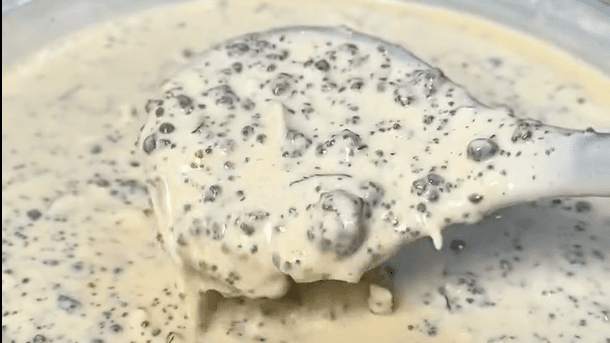
Smolda Sauce is a bold, aromatic, deeply flavoured grilling sauce originating from the creative kitchens of modern Ghanaian food culture. It is a rough-blended, spice-forward pepper and vegetable sauce built specifically for grilling, designed to coat meat, fish, and poultry in a thick, fragrant, slightly chunky paste that caramelises against the heat of the grill and locks in a depth of flavour that ordinary marinades simply cannot achieve. It is the kind of sauce that changes the way you think about grilling entirely, not a thin liquid brushed on at the last moment, but a robust, textured, oil-sealed preparation that penetrates the meat, clings to every surface, and delivers a layered combination of spice, heat, sweetness, and herbal freshness in every single bite.


The name Smolda is as distinctive and memorable as the sauce itself, a name that immediately signals something bold, something smoky, something that belongs firmly in the world of live fire and grilling. And that identity is entirely intentional. This is not a sauce designed for the timid or the understated. It is a sauce designed for people who take their grilling seriously, who understand that the difference between good grilled meat and unforgettable grilled meat lies almost entirely in what goes on the meat before it ever touches the heat.


The roots of sauce-based grilling in West Africa run extraordinarily deep. We can trace the root of flavouring grilled meat with sauces and marinades to Africa, where lime and lemon juices were used as a traditional method of flavouring meat long before the practice spread to the rest of the world. In West Africa, the Hausa people used the term babbake to describe cooking food over an open fire, roasting pork and chicken and seasoning them with black pepper, cloves, and other spices, a tradition that continues today across Senegal, Ghana, Nigeria, and Cameroon. Ghana in particular has developed a rich and celebrated grilling culture of its own. West Africa's diverse cultural landscape has led to a variety of names for grilled meat snacks, which vary by country and ethnic group, and in Ghana, the beloved grilled meat tradition is known as chichinga, where meat is skewered, spiced, and grilled over charcoal in a tradition that draws crowds at street stalls and social gatherings across the country. Smolda Sauce is the next chapter in this long, proud story, a modern Ghanaian creation that takes the ancient West African passion for spiced grilling and refines it into a sophisticated, versatile, preservable sauce that any home cook or professional grill master can reach for.


What makes Smolda Sauce architecturally different from most grilling sauces is the deliberate sequencing of its cooking process. The sauce is not simply a raw blend of ingredients, it is a carefully built flavour structure in which each component is introduced to the heat at the precise moment that maximises its contribution to the final result. The process begins with onions fried briefly in oil, creating a sweet, softened base. Into this go the dry spices first, black pepper, white pepper, and aniseed powder, which are fried directly in the hot oil for approximately two minutes before anything else is added. This is one of the most important steps in the entire recipe, and it is not accidental. Frying whole or ground spices in oil before adding any wet ingredients is a technique known across many of the world's great culinary traditions as blooming, the heat causes the fat-soluble aromatic compounds in the spices to release dramatically into the oil, amplifying their flavour and fragrance many times over compared to simply blending them raw into a sauce. The result is an oil that is already deeply perfumed and flavoured before a single vegetable is added.


Ginger and garlic follow next, adding their characteristic sharp, warm, deeply savoury notes to the spiced oil, before the full complement of fresh vegetables, bell peppers, red chilli, green habanero, and parsley, joins the pan. These are fried together until soft and juicy, their cell walls broken down by the heat and their natural sugars beginning to caramelise gently in the fragrant oil. This stage is critical, underdone vegetables will produce a raw, harsh sauce, while properly softened, juicy vegetables contribute a mellow, deeply integrated sweetness that balances the heat of the peppers and the bite of the dry spices perfectly. Seasoning and salt are added at this stage and cooked in, ensuring the flavour is built into the vegetables themselves rather than sitting on the surface.


Once the vegetables are perfectly cooked, they are removed from the oil and allowed to cool before blending, and here is where Smolda Sauce makes its most distinctive creative decision. The blend is intentionally rough. This is not a sauce that is taken to a smooth, silky purée. It is blended to a coarse, textured paste that retains visible chunks of pepper, fragments of ginger and garlic, and shreds of parsley, because when this rough paste is applied to meat and grilled, those irregular pieces char at different rates, creating pockets of different textures and flavour intensities across the surface of the grilled meat. Some pieces caramelise to a sweet, jammy softness while others catch the heat and develop a delicious, slightly crisp, charred edge. The crunchiness that remains in the vegetables even after grilling is a defining characteristic of Smolda Sauce, it is part of the eating experience, not an accident to be corrected.


The finished sauce is stored in a jar with the reserved frying oil poured across its surface as a seal a traditional and highly effective preservation technique that prevents air from reaching the sauce, dramatically extending its shelf life while also keeping the sauce moist, fragrant, and ready to use at any moment. This oil seal is not just practical but flavourful, the oil has absorbed the full character of every spice, pepper, herb, and aromatic that passed through it during the cooking process, making it a potent flavouring agent in its own right that bastes whatever it touches with concentrated Smolda flavour.


Smolda Sauce is extraordinarily versatile. It works as a marinade applied generously to meat or fish hours before grilling, allowing the spiced paste to penetrate the protein deeply for maximum flavour. It works as a basting sauce brushed onto the meat at intervals during grilling, building up layer upon layer of charred, caramelised flavour on the surface. It works as a finishing condiment spooned over grilled meat at the table, adding freshness and texture to the finished dish. It pairs magnificently with chicken, beef, goat, pork, fish, prawns, and vegetables, making it genuinely one of the most all-purpose grilling preparations in West African cuisine. A jar of Smolda Sauce in the refrigerator is a standing invitation to grill something extraordinary at any moment.

GhanaSauces & Dips
Light Soup
5

Light Soup

Light Soup is one of Ghana's most beloved and iconic traditional dishes a thin, deeply flavourful broth-based soup that is cherished across every region of the country and celebrated throughout West Africa. Unlike the thick, heavier soups associated with peanuts or palm nuts, Light Soup lives up to its name by offering a lighter, clearer consistency that is rich in natural taste, spice, and warmth. It is prepared using fresh tomatoes, peppers, onions, and a generous selection of aromatic spices, all simmered together with either meat, fish, or poultry to create a soul-satisfying meal that is deeply rooted in Ghanaian food culture.


The soul of Light Soup lies in its simplicity. The base is built from blended or hand-pounded fresh tomatoes, Scotch bonnet peppers, onions, and sometimes garden eggs (African eggplants), which together form a vibrant, peppery broth that is full of natural sweetness and heat. The choice of protein varies widely across households and regions. Chicken Light Soup is perhaps the most popular version, particularly favoured for its clean flavour and the way the bird's natural juices enrich the broth. Goat meat Light Soup is equally adored for its deeper, earthier taste, while fish-based versions especially tilapia or dried fish bring a distinct smoky and oceanic character to the bowl. Mutton, offal, or even a combination of proteins may also be used, giving the soup a more complex and robust flavour.


What makes Light Soup truly distinctive is its cooking philosophy. Unlike many soups that rely on heavy base sauces or thickening agents, Light Soup achieves its depth through slow simmering, allowing the ingredients to release their natural flavours into the broth gradually. The tomatoes break down and meld with the pepper and onion, while the meat or fish slowly tenderises and infuses the soup with rich protein-based umami notes. Fresh herbs, local spices such as prekese (Tetrapleura tetraptera), grains of selim (hwentia), and calabash nutmeg (ehuru) are frequently added in traditional Ghanaian households to elevate the soup's aroma and medicinal value.


Light Soup holds a special cultural significance in Ghanaian society. It is the dish most commonly prepared for the sick and the recovering, as it is believed to be healing, restorative, and easy on the digestive system. New mothers are often given Light Soup in the weeks following childbirth, as the broth is considered nourishing and strengthening. It is also a staple at funerals, outdooring (naming ceremonies), family gatherings, and festive celebrations, where it is served in large pots to feed extended families and community members. No Ghanaian occasion feels complete without a pot of Light Soup on the fire.


The soup is traditionally served alongside fufu a smooth, stretchy dough made from pounded cassava and plantain, cocoyam, or yam making it one of the most iconic food pairings in Ghanaian cuisine. The fufu is portioned into balls and placed directly into the broth, where diners swallow small pieces without chewing, scooping up the rich soup with each bite. It is also enjoyed with other types of swallow or dumplings recognized across other parts of Africa, banku, rice, or boiled yam depending on personal and regional preferences.


Nutritionally, Light Soup is a powerhouse of natural goodness. Tomatoes provide lycopene, vitamin C, and antioxidants. Peppers contribute capsaicin, which supports metabolism and circulation. The protein from meat or fish supports muscle health and satiety. The local spices traditionally used prekese, grains of selim, and calabash nutmeg — have long been associated with anti-inflammatory, digestive, and immune-boosting properties in Ghanaian herbal medicine traditions. This combination makes Light Soup not just a delicious meal but a genuinely functional food with holistic health benefits.


Across Ghana, Light Soup is prepared slightly differently from one household, region, and ethnic group to another. The Akan people tend to use a blend of tomatoes and garden eggs with chicken or goat, while northern Ghanaian variations may use more dried fish and local spices. Coastal communities along the Gulf of Guinea frequently prepare it with fresh or smoked fish, adding a maritime richness that sets their version apart. Every variation is authentic, and every pot tells a story of family, heritage, and love for good food.


Note on protein choice: The base recipe for Light Soup remains exactly the same regardless of whether you use chicken, goat meat, mutton, beef, or fish. The only variable is cooking time tougher meats like goat and mutton require longer simmering (45–60 minutes), while chicken and fish cook faster (20–35 minutes). The flavour profile, spice blend, and method do not change, which is what makes Nkrakra such a beautifully versatile and consistent dish across all Ghanaian households.

NigeriaSoups
Jollof Rice
4

Jollof Rice

Party Jollof Rice is one of the most famous and beloved dishes in West Africa, especially in Nigeria, where it has become a cultural symbol of celebration, hospitality, and culinary pride. Known for its vibrant red color, rich tomato flavor, aromatic spices, and signature smoky taste, Party Jollof Rice represents more than just a meal. It embodies history, regional identity, and the shared traditions of communities across West Africa. Whether served at weddings, birthday parties, naming ceremonies, festivals, or casual family gatherings, this iconic rice dish carries deep cultural meaning and continues to unite people around the table.


To truly appreciate Party Jollof Rice, it is important to understand the historical roots of Jollof itself. The origin of Jollof Rice can be traced back several centuries to the Senegambian region of West Africa, particularly among the Wolof people of present-day Senegal and The Gambia. The dish is believed to have evolved from a traditional Wolof rice dish known as “Thieboudienne” (Ceebu Jën), which translates to “rice with fish.” This dish was prepared by cooking rice in a flavorful tomato-based sauce along with fish and vegetables. Over time, trade, migration, and cultural exchange spread this cooking style across West Africa, where different regions adapted the recipe using their own ingredients, cooking techniques, and flavor preferences.


As the dish traveled through the region, countries such as Nigeria, Ghana, Sierra Leone, Liberia, and Cameroon developed their own unique versions of Jollof Rice. Each region introduced subtle differences in spice blends, cooking methods, and accompanying proteins. For example, Nigerian Jollof Rice is often known for its deeper color, bold seasoning, and slightly smoky flavor, while Ghanaian Jollof Rice may have a different spice balance and texture depending on the rice variety used.


The introduction of tomatoes to West Africa through Portuguese trade routes in the 15th and 16th centuries played a major role in shaping the modern version of Jollof Rice. Tomatoes, along with peppers and other ingredients brought through global trade, eventually became central to the dish’s signature sauce. Over time, cooks began blending tomatoes, red bell peppers, onions, and hot peppers to create the rich base that defines Jollof Rice today.


In Nigeria, Party Jollof Rice evolved into a special version of the dish prepared specifically for celebrations and large gatherings. Unlike everyday Jollof Rice cooked in smaller pots, Party Jollof is traditionally prepared in large metal pots over firewood. Cooking over an open flame allows the rice to develop a distinctive smoky aroma and flavor that Nigerians fondly refer to as the “party taste.” This smoky layer forms when the rice at the bottom of the pot gently toasts during the final stages of cooking, creating a depth of flavor that many people consider the hallmark of authentic Party Jollof.


The preparation of Party Jollof Rice involves cooking long grain parboiled rice in a richly seasoned tomato and pepper sauce. The sauce is typically made by blending fresh tomatoes, red bell peppers, Scotch bonnet peppers, and onions, then simmering the mixture until it thickens and the oil separates from the sauce. This step is crucial because it allows the natural sugars in the tomatoes to caramelize slightly, producing a deeper and more complex flavor profile. Once the sauce is ready, spices such as thyme, curry powder, white pepper, and bay leaves are added to enhance the aroma. Rice is then cooked slowly in the sauce and stock so that each grain absorbs the rich flavors.

Another key characteristic of Party Jollof Rice is the careful balance between moisture and texture. The rice must cook until tender while remaining separate and fluffy rather than mushy. Achieving this balance requires patience and attention to heat control, especially when cooking in large quantities for events.


Over the years, Jollof Rice has grown beyond its regional roots to become a global culinary phenomenon. The dish is now widely recognized as one of Africa’s most popular foods, enjoyed in African restaurants and homes around the world. It has also sparked friendly cultural debates often referred to as the “Jollof Wars,” where people from different West African countries passionately defend their national version of the dish. While these debates are often playful, they highlight the pride and cultural significance attached to Jollof Rice.

Party Jollof Rice is typically served alongside a variety of side dishes and proteins that complement its bold flavor. Popular accompaniments include fried plantains, grilled chicken, fried fish, turkey, beef, coleslaw, and fresh salads. These combinations create a vibrant and satisfying meal that appeals to a wide range of tastes and occasions.


Nutritionally, Jollof Rice provides carbohydrates for energy along with vitamins and antioxidants from the tomatoes and peppers used in the sauce. When paired with proteins such as chicken, fish, or beans, it becomes a balanced and filling meal suitable for both everyday dining and special celebrations.


Today, Party Jollof Rice continues to evolve as chefs and home cooks experiment with modern cooking techniques, healthier ingredient substitutions, and creative presentations. Despite these innovations, the essence of the dish remains the same. It is still a food that brings people together, marks important milestones, and celebrates the rich culinary heritage of West Africa.


From its early beginnings among the Wolof people centuries ago to its current status as a globally recognized African dish, Jollof Rice tells a story of migration, trade, cultural exchange, and shared tradition. Party Jollof Rice, in particular, captures the joy of communal dining and the spirit of celebration that defines Nigerian hospitality.


Whether enjoyed at a lively party, a festive gathering, or a simple family meal, every plate of Party Jollof Rice carries with it the history, flavour, and pride of West African cuisine.

Some of these ingredients can be conveniently shopped from our store https://afripasspot.com/shop

NigeriaModern